Why Crape Myrtle Bark Scale Doesn't Actually Stop for Winter
Explore local offers & get in touch with a local branch!
Crape myrtle bark scale doesn't fully shut down over winter the way its name might suggest, and that's worth knowing before assuming a November or December application of dormant oil is early enough to matter in Gwinnett County.
What Dormant Oil Actually Does
Dormant oil works by physically smothering overwintering insect eggs and scale before they become active, not through chemical toxicity, which is why timing matters more than the product itself. Crape myrtle is deciduous, fully leafless by late fall, which is exactly the condition dormant oil is formulated for, unlike the evergreen ornamentals some other markets rely on it for.
Why Winter Isn't a Safe Window to Wait
UGA Extension's Forsyth County office, covering the north Atlanta metro, points to research tracking crape myrtle bark scale populations from October through March on potted saplings. The population grew from around 28 scale insects to more than 550 over that stretch, meaning the pest is actively multiplying through the exact months many homeowners assume it's dormant along with the tree.
What to Look For
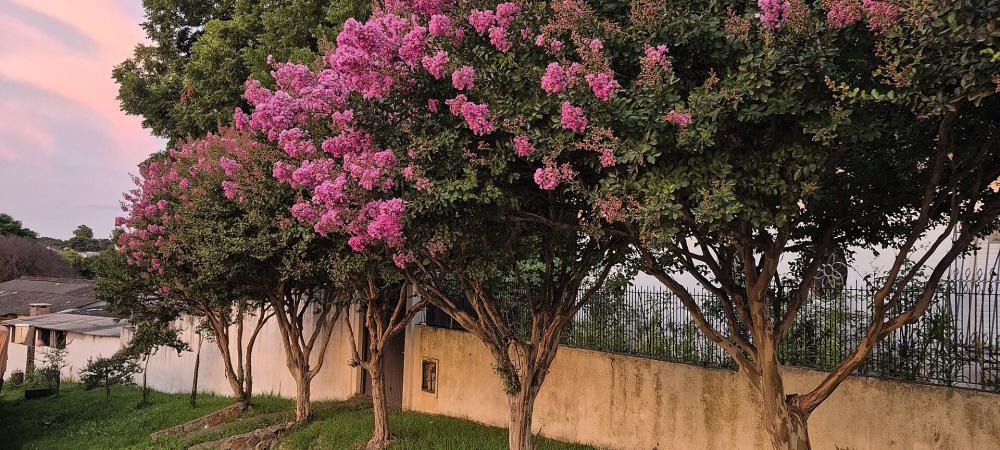
Crape myrtles are planted throughout Gwinnett's newer subdivisions as a fast-growing, low-maintenance flowering tree, which also means a lot of relatively young trees in the area are at an age where a bark scale infestation can meaningfully set back their growth and bloom. The scale shows up as white or gray, felt-like bumps along branches and trunks, sometimes confused with a black sooty mold that's actually caused by a different pest, crape myrtle aphids, entirely.
Why Timing the Application Early Matters
Applying dormant oil in November rather than waiting until late winter gets ahead of several more months of population growth rather than catching the problem after it's already multiplied through the colder months. Full coverage of branches and trunk, not just the parts visible from the street, matters more than the amount of product used, since the oil only works where it actually reaches a scale insect. A professional plant health care application reaches the full tree more reliably than a backyard sprayer typically can.
Seeing white or gray bumps on your crape myrtle's bark? Call Freedom Lawns at 770-543-8019 and we'll confirm what's going on before it spreads further.
Get a Free Quote