The Soap Test Worth Running Before You Close on an Onslow County Home
Explore local offers & get in touch with a local branch!
Mole crickets do most of their damage underground in Onslow County's sandy soil, and a buyer touring a home has no way to know if the yard already has an active population without checking, since the visible symptoms, spongy patches and thinning turf, often get chalked up to drought or a rough patch of weather by a seller who isn't looking closely.
Why Sandy Soil Makes This Worse
These burrowing insects thrive in loose, well-drained sandy soil, tunneling through root zones and severing grass roots as they search for food. N.C. Cooperative Extension's Craven County office, covering New Bern and the surrounding area, has flagged mole crickets as a top insect pest of coastal North Carolina lawns for exactly this reason. Centipede and other warm-season grasses common in the area have relatively shallow root systems, which makes them especially vulnerable to root damage that isn't visible from the surface until a section of lawn is already struggling.
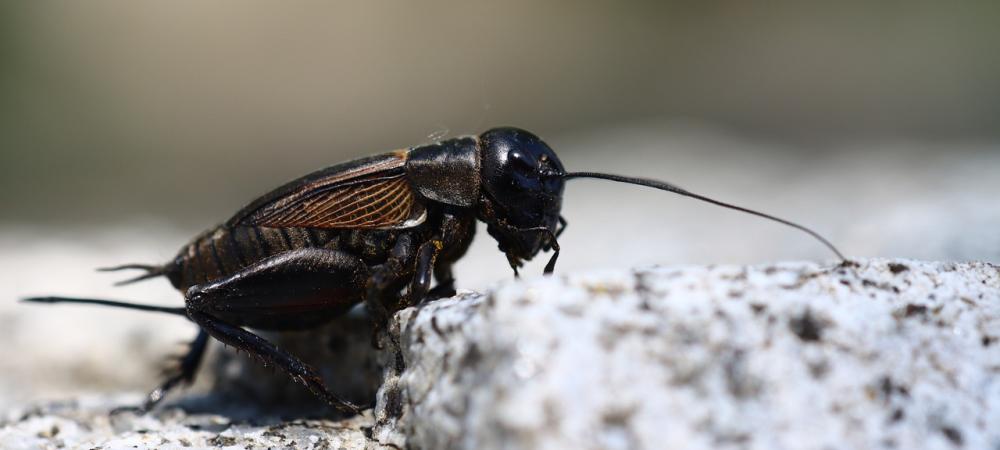
The Soap Flush Test: Mix two tablespoons of dish soap into two gallons of water and pour it slowly over a two-foot section of suspect lawn. Mole crickets will surface within a few minutes if they're present, usually visible as small, brown, cricket-like insects.
Why Checking Before Closing Matters
Checking before closing matters more than checking after moving in. A lawn that looks fine during a showing in one season can be hiding an active population that only becomes obvious once the new owner has already settled in and started their own maintenance routine, at which point it's easy to mistake the damage for something they caused rather than something they inherited.
Timing the Treatment
Mole crickets are easiest to treat as young nymphs in late spring and early summer, before they've caused visible damage. Catching an existing population early with a professional lawn pest inspection, ideally before or right after closing, is a much smaller job than waiting for brown patches to show up on their own months later.
Closing on a new property and want to know what you're actually inheriting in the yard? Call Freedom Lawns at 910-442-6484 and we'll check before it becomes a bigger problem.
Get a Free Quote