
Why New Construction Lawns in Apex and Holly Springs Fight Compacted Clay Soil
Explore local offers & get in touch with a local branch!
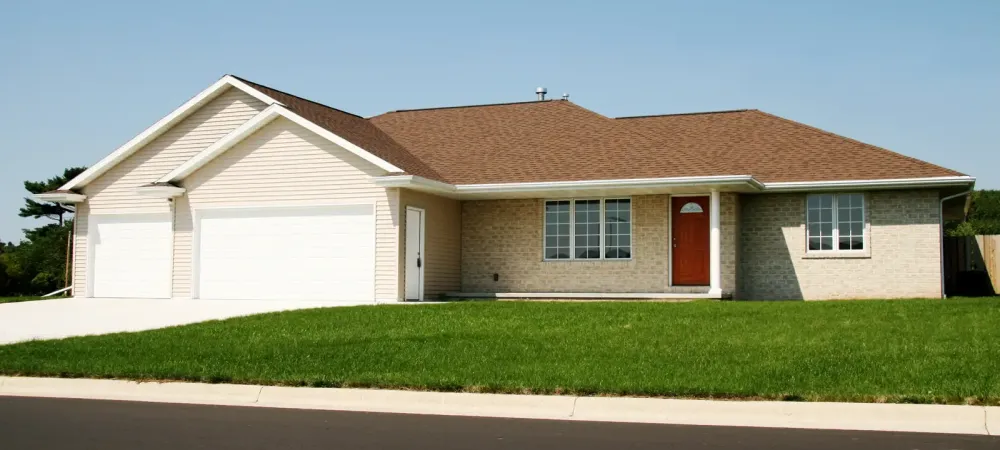
A new-build lawn in Apex or Holly Springs often starts life more compacted than a 30-year-old lawn a few streets over, and the construction process itself is the reason. NC State Extension points to the same root cause on nearly every new home site: topsoil gets stripped and stockpiled during construction, then the subsoil left behind, often heavy Piedmont clay, gets compacted further by the equipment used to grade the lot and build the foundation.
Why the Lawn Looks Fine at First
That compacted subsoil is frequently what a sod crew lays fescue or a builder's grass seed blend directly onto, sometimes with only a thin layer of topsoil, sometimes with none replaced at all. The grass can establish enough to look fine for the first season, which is often exactly when a new homeowner assumes the lawn is healthy, before compaction-related problems show up in year two or three as thinning, poor drainage, and water pooling after rain.
A Simple Test You Can Run Yourself
A standard flathead screwdriver tells you what you're dealing with. Push it into moist soil in a few spots around the yard. If it goes in easily, compaction isn't a major issue yet. If it takes real effort or won't go in more than an inch or two, the subsoil underneath is likely compacted enough to be limiting root growth regardless of how much fertilizer or water gets applied on top.
What Actually Fixes It
Core aeration is the direct fix, pulling small plugs of soil out of the ground to open channels for air, water, and root growth to reach deeper than the surface. For cool-season lawns in Wake County, fall, the same window that's right for overseeding, is also the right time for aeration, since the two jobs pair naturally: aerate first, then overseed into the holes it leaves behind.
Why One Pass Usually Isn't Enough
A new construction lot is a different case than an established lawn with compaction that developed over years. Because the compacted layer often sits closer to the surface on a new-build lot, one aeration pass rarely resolves it completely. Plan on aerating every fall for the first two or three years in a new home, rather than assuming a single pass fixes what years of construction traffic created in a matter of months.
Not sure if your new-build lawn's struggles trace back to compacted soil? Call Freedom Lawns at 919-819-2355 and we'll check with the screwdriver test and go from there.
Get a Free Quote