Why Your Fescue Lawn Goes Brown in July, and Why That's Not an Emergency
Explore local offers & get in touch with a local branch!
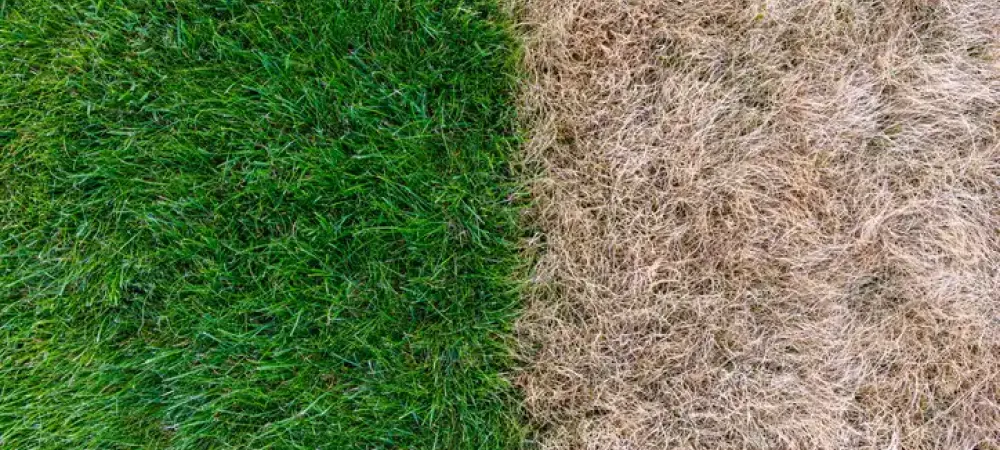
A tall fescue lawn turning brown in July is usually going dormant, not dying, and the two most common homeowner reactions, dumping on extra water and pushing a round of nitrogen fertilizer, tend to make the underlying stress worse rather than better.
What's Actually Happening
Tall fescue is a cool-season grass, which means it grows most actively in spring and fall and naturally slows or goes dormant when summer heat and dry stretches arrive. N.C. Cooperative Extension describes this directly: brown, withered leaves in summer are a normal dormancy response, not a sign of a dying lawn, and homeowners who aren't planning to irrigate through summer should expect and allow it rather than fight it.
Why Fertilizing It Makes Things Worse
The instinct to fertilize a struggling-looking lawn works against fescue specifically in summer. Nitrogen pushes new leaf growth, and new growth put out during heat stress is more vulnerable to disease and further stress than the grass would face by simply staying dormant until cooler weather returns. The same logic applies to mowing height: cutting a stressed lawn shorter to tidy it up removes leaf surface the plant needs to shade its own crown and conserve what moisture it has.
If Green Color Through Summer Actually Matters to You
Consistent irrigation, roughly an inch per week delivered deeply rather than daily light watering, can keep fescue actively growing instead of dormant. But that's a deliberate choice with an ongoing cost, not a quick fix for a lawn that already started browning. Once dormancy has set in, adding water inconsistently, enough to green up a little but not enough to fully break dormancy, tends to stress the grass more than either committing to full irrigation or leaving it alone.
What to Expect if You Leave It Alone
Most tall fescue lawns in the Triangle can handle three to six weeks of summer dormancy with little to no lasting damage. The lawn that gets left alone through a dry August, then falls into the normal fall fertilization and overseeding schedule, typically recovers fully. The one that gets a stress-response feeding in the middle of July is the one more likely to show real damage by fall.
Not sure if your lawn is dormant or actually struggling? Call Freedom Lawns at 919-819-2355 and we'll help you tell the difference before you do something that makes it worse.
Get a Free Quote