
The Soap Test That Confirms You Have Mole Crickets
Explore local offers & get in touch with a local branch!
Mole crickets do most of their damage underground in New Hanover County's sandy soil, tunneling through root zones and leaving spongy, brown patches behind long before most homeowners realize what's actually causing it. A simple soap flush test, not just watching for brown spots, is the fastest way to confirm they're there before treating for the wrong problem.
Why Sandy Soil Makes This Worse
These burrowing insects thrive in the same loose, well-drained sandy soil that makes Wilmington lawns easy to dig but hard to keep root systems anchored in. As they tunnel searching for roots and organic matter to feed on, they sever grass roots along the way, which cuts off water and nutrient uptake even in sections of lawn that still look green on the surface.
Which Lawns Are Most at Risk
Bermuda, St. Augustine, and centipede grass, the warm-season types most common across coastal North Carolina, are all vulnerable because their root systems sit relatively shallow compared to cool-season grasses further inland. A lawn that feels soft or spongy underfoot, pulls up easily in handfuls, or shows irregular brown patches that don't match a drought or disease pattern is worth checking for mole cricket activity specifically.
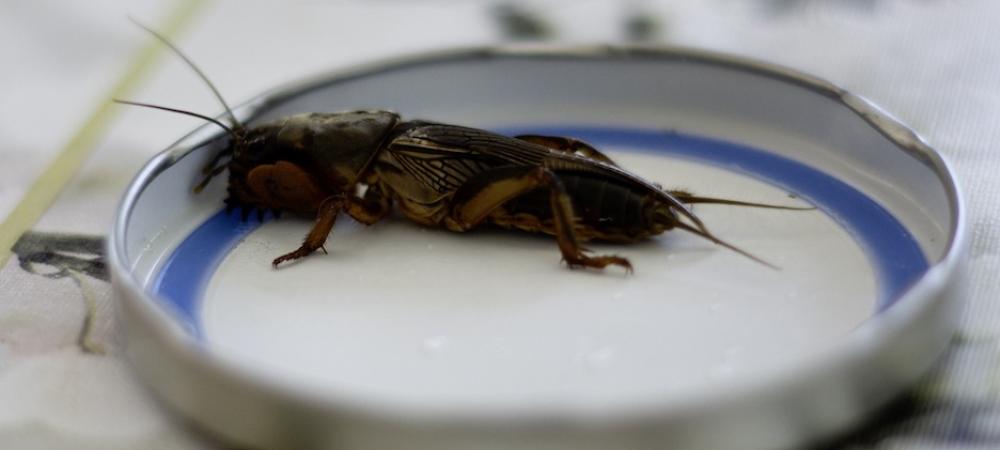
The Soap Flush Test: Mix two tablespoons of dish soap into two gallons of water and pour it slowly over a two-foot square section of suspect lawn. If mole crickets are present, the soap irritates them enough to surface within a few minutes, usually visible as small, brown, cricket-like insects pushing up through the grass. N.C. Cooperative Extension calls mole crickets the number one insect pest of home lawns along the North Carolina coast, and recommends this exact scouting method.
Why Timing Matters More Than People Expect
Mole crickets are far easier to treat while still young nymphs in late spring and early summer, when their bodies are smaller and treatments reach them more effectively underground. Waiting until fall damage becomes visible means treating adults that are larger, more mobile, and harder to control with the same application.
Catching It Before It Becomes an Annual Problem
Our two-in-one annual fire ant and mole cricket treatment is timed to catch mole crickets during that early nymph window, rather than reacting to visible turf damage after the fact. Catching the population early also reduces the number of eggs laid for the following season, which is the difference between a one-time treatment and a recurring problem in the same section of yard.
Noticed spongy patches or want to run the soap test yourself first? Call Freedom Lawns at 910-350-2828 and we'll help you confirm what's going on underground.
Get a Free Quote