
What "Charleston Grass" Means for Your Mole Cricket Risk
Explore local offers & get in touch with a local branch!
St. Augustine grass is sometimes called Charleston grass, and that nickname exists for a reason: it's one of the defining lawn types of the Lowcountry, which also means it's worth knowing which of South Carolina's mole cricket species actually threatens it most.
Not All Mole Crickets Are Equal
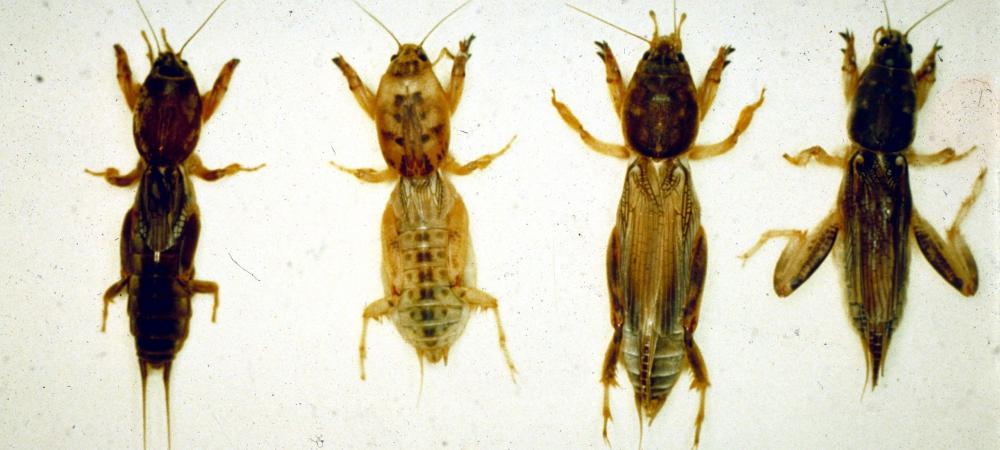
Clemson Extension identifies three mole cricket species in South Carolina, concentrated mainly in the sandy coastal regions that define Charleston's soil. The northern mole cricket is native and causes little real damage. The tawny and southern mole crickets, both introduced species, are the ones that matter, with tawny mole crickets feeding directly on turfgrass roots and causing the most visible damage.
Why Timing the Treatment Matters
Both damaging species have one generation per year in South Carolina, with the immature stage running roughly mid-May through July, the exact window when treatment is most effective because the insects are still small and haven't caused significant damage yet. By October, Clemson notes, mole crickets reach full maturity, by which point treatment is far less effective and visible turf damage is already done.
Confirming Before Treating
A soap flush confirms what's actually happening before treating. Mixing dish soap into water and pouring it over a suspect section of lawn brings mole crickets to the surface within a few minutes if they're present, distinguishing root damage from drought stress or other causes.
Why St. Augustine Shows Damage Faster
St. Augustine's shallow, stoloniferous root system, the same growth habit that makes it quick to fill in bare patches and earns it the Charleston grass reputation for a lush, uniform lawn, also makes it more sensitive to root damage than a deeper-rooted grass would be. A mole cricket population that a more resilient turf type might tolerate without much visible impact can show up fast on St. Augustine specifically.
Why Last Year's Activity Matters
Mole crickets tend to return to the same areas of a lawn year after year, which means a section that had activity last season is worth checking again early, during that May-through-July window, with a lawn pest inspection, rather than waiting for visible damage to confirm the problem has come back.
Noticed mole cricket damage last year and want to get ahead of it this season? Call Freedom Lawns at 843-552-4444 and we'll check before it becomes visible.
Get a Free Quote