
Fall Storm Season in Pender County: Preparing Your Lawn for Floodwater
Explore local offers & get in touch with a local branch!
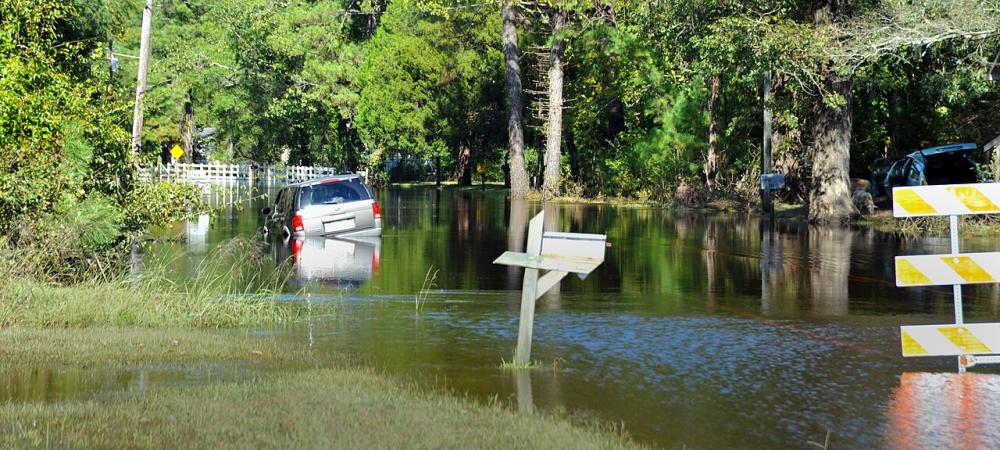
Hurricane season runs through November, and Pender County knows what it can do: the Northeast Cape Fear River reached historic levels around Burgaw and Rocky Point after Hurricane Florence in 2018. Whether a lawn comes through standing water depends on a few factors you can actually check.
What Decides Whether the Lawn Survives
NC State Extension says the level of injury depends on water temperature and depth, whether any leaves extend above the water surface, and how long the turf is submerged. A lawn under a few inches of water for a day is in a very different position from one under a foot of water for a week, and leaves above the waterline improve the odds.
The First Week After the Water Recedes
Floodwater leaves silt and debris behind, and that layer can do as much damage as the water. A University of Tennessee turf specialist advises removing soil and debris two or more inches deep as soon as possible, and considering core aeration if a thinner layer is slowing water movement into the soil. NC State also advises staying out of floodwater itself.
Don't Rush the Fertilizer
Fall flooding arrives just as warm-season grass is slowing for winter. NC State's guidance is not to fertilize dormant turf, and pushing growth to cover flood damage in November tends to waste product. Dormant warm-season grass is brown anyway, so judging flood damage in November is guesswork. Give the lawn until spring green-up to show what survived before reseeding or resodding patches.
River Floods Peak Late
River flooding can crest days after a storm passes, so a dry yard the morning after the rain is not a safe read. If your lot is near the Northeast Cape Fear River or its tributaries, watch river forecasts, not just the sky.
Before the Next Storm
Walk the lot and note where water pools, since low spots are where standing water lingers longest. Clear storm drains and swales near the property, and skip fertilizer in the days before heavy rain so it stays in the soil instead of washing off. A soil test this fall also gives you a baseline for judging any damage next spring.
Dealing with a lawn after a storm and not sure what survived? We can help you sort out what needs attention now and what can wait. Call Freedom Lawns at 910-270-0227.
Get a Free Quote