Why Dollarweed Appears in Lawns with Sprinkler Systems
Explore local offers & get in touch with a local branch!
Dollarweed shows up where soil stays wet, and in a lot of newer Pender County yards the real cause is the sprinkler schedule, not the mower or the weed seed. NC State Extension describes dollarweed as a native plant that does well in damp conditions and notes it can signal overwatering, with reduced irrigation and a stronger turf stand as the most effective treatment.
What a Patch of Dollarweed Is Telling You
Dollarweed has round, coin-shaped leaves and tends to collect in the wettest parts of a yard: around sprinkler heads, in low spots, near downspout outlets, and beside walkways where water sheets off. If it keeps returning to the same place after treatment, the soil there is staying wet enough to favor it, and the weed is the symptom rather than the cause.
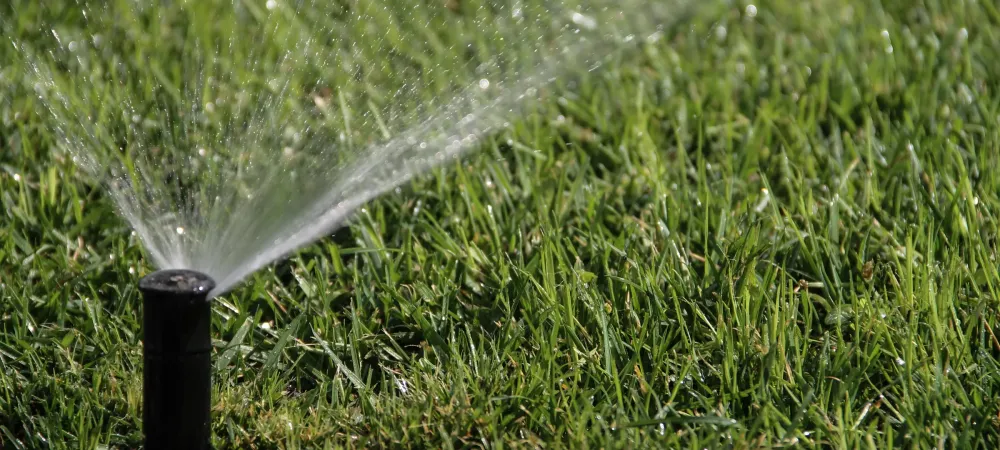
How a Sprinkler Schedule Creates the Problem
Many newer homes have automatic irrigation, and a controller programmed to get new sod established can keep running short, frequent cycles long after the grass has rooted. NC State's lawn care guidance points the other way: avoid light, frequent watering, water early in the morning, and wet the soil 4 to 6 inches deep when you do water. Deeper, less frequent cycles let the surface dry between waterings, which dollarweed does not tolerate well.
Where the Mower Fits
Mower cleaning is worth doing for any weed, but it does very little here. Dollarweed depends on moisture, and a spotless mower deck does nothing about a controller that runs every morning. Mowing at the right height for your grass still matters, because a thick stand of turf is the other half of the extension recommendation.
A Simple Watering Reset
Start by checking the controller. Look at how many days a week it runs and how long each zone runs, then move cycles to early morning and cut the number of days. Walk the yard the day after a cycle and note where water is still standing or the soil feels spongy. Those spots are where the next round of dollarweed will start, and where a sprinkler-head or drainage adjustment pays off most.
When Treatment Makes Sense
Established patches can be controlled with a targeted weed control treatment, but treating without fixing the moisture usually means paying for the same patch again next season. Pairing the two works better: control what is there now, then correct the watering so it stays gone.
Seeing coin-shaped weeds near your sprinkler heads? We can look at the weeds and the watering together. Call Freedom Lawns at 910-270-0227.
Get a Free Quote