
Why Feeding Centipede Grass for a Darker Green Usually Backfires
Explore local offers & get in touch with a local branch!
Centipede grass earned its old nickname, poor man's grass, because it thrives on being left alone, and pushing it toward the dark, rich green of a fescue lawn up north is one of the more common ways Myrtle Beach homeowners accidentally damage the exact lawn type chosen for its low-maintenance reputation.
What Centipede Is Actually Supposed to Look Like
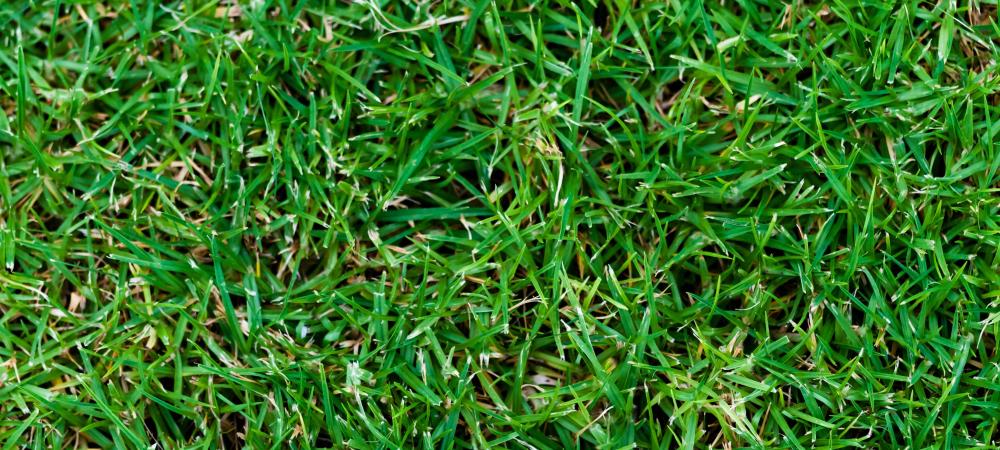
Centipede's natural color is closer to a lighter, yellow-green, sometimes described as Granny Smith apple green, and that's a feature of the grass, not a sign it needs more fertilizer. Clemson Extension is direct about the tradeoff: over-fertilizing centipede grass to chase a darker green color reduces its cold tolerance, increases thatch buildup, and contributes to long-term turf failure rather than a healthier lawn.
Why the Instinct Is So Common
The instinct to feed a lighter-colored lawn more heavily often comes from experience with cool-season grasses elsewhere, where a deeper green usually does correlate with a healthier, better-fed lawn. Centipede works on different rules. It's adapted to infertile, acidic sandy soil specifically, and pushing extra nitrogen doesn't just fail to help, it actively works against the traits that make centipede a good fit for the Grand Strand in the first place.
Watering Follows the Same Pattern
Centipede also prefers infrequent, deep watering over the frequent light watering that keeps a shallow-rooted lawn looking consistently green. A lawn watered on the assumption that more water and more fertilizer both help will typically develop a weaker root system and a thicker thatch layer than the same lawn managed with centipede's actual needs in mind.
What to Do Instead
A soil test settles what a specific lawn actually needs better than assuming a color it isn't showing means it's underfed. A fertilization program matched to centipede's actual requirements, not a generic schedule, is what keeps it thick and healthy long-term. Centipede grass that stays a lighter green while filling in thick and dense is doing exactly what it's supposed to.
Wondering if your centipede lawn's color means it needs more feeding? Call Freedom Lawns at 843-651-6500 and we'll check before adding anything.
Get a Free Quote